
Cook County Court Records After a Jail Arrest
After a Cook County arrest, the jail operated by the Cook County Sheriff's Office under Sheriff Douglas G. Hanks may record the arresting agency, the intake charge, the warrant or process used, and custody status. The court record begins to matter when a warrant, bond hearing, citation, accusation, indictment, arraignment notice, criminal filing, or calendar entry is created by a court or prosecutor. For felony and circuit-level prosecutions, the local prosecutor is the Alapaha Judicial Circuit District Attorney, Chase L. Studstill. Prosecutors may file, amend, reduce, dismiss, accuse, or indict charges that differ from the original booking language.
Use jail inmate records for custody and booking questions, and use jail mugshots for booking-photo availability and Georgia mugshot-law limits. Court records after a jail arrest are the case side: filed charges, charge status, bond-related court action, arraignment notices, warrants, calendars, dispositions, and records that may be restricted from public view.
How to Find Cook County Court Records After an Arrest
Cook County research did not locate a free official general criminal case-search portal for all Superior and Magistrate criminal records. The practical search uses office-specific access. The Magistrate Court handles search warrants, almost all criminal warrants, bond hearings, pre-warrant application hearings, contempt orders, bench warrants, and family-violence warrant condition orders. The Clerk of Superior Court lists criminal filings, warrants, bench warrants, arraignment notices, criminal calendars, and bond forfeitures among its functions.
- Confirm the custody event with Cook County Jail at (229) 896-7471, ext. 2, especially when the arrest is recent and a court case may not be indexed yet.
- For warrant, first appearance, and bond questions, contact Cook County Magistrate Court at 1000 County Farm Road, Adel, GA 31620, phone (229) 896-3151.
- For Superior Court criminal filings, arraignment notices, calendars, bench warrants, and record access, contact the Clerk of Superior Court at 212 North Hutchinson Avenue, Adel, GA 31620, phone (229) 896-7717.
- For felony prosecution decisions, contact the Alapaha Judicial Circuit District Attorney's Cook County office at (229) 896-3102.
- For traffic or citation matters handled by Probate Court, follow the Probate citation guidance and the TGov/EZCourtPay lookup path.
- For account-based document access or e-filing, check PeachCourt only with the understanding that it is not a universal free criminal docket search.
No Cook County sheriff app or app-only court-charge lookup was confirmed in the research. The Clerk page is a strong source for what the record office actually handles. Source: Cook County Clerk of Superior Court.
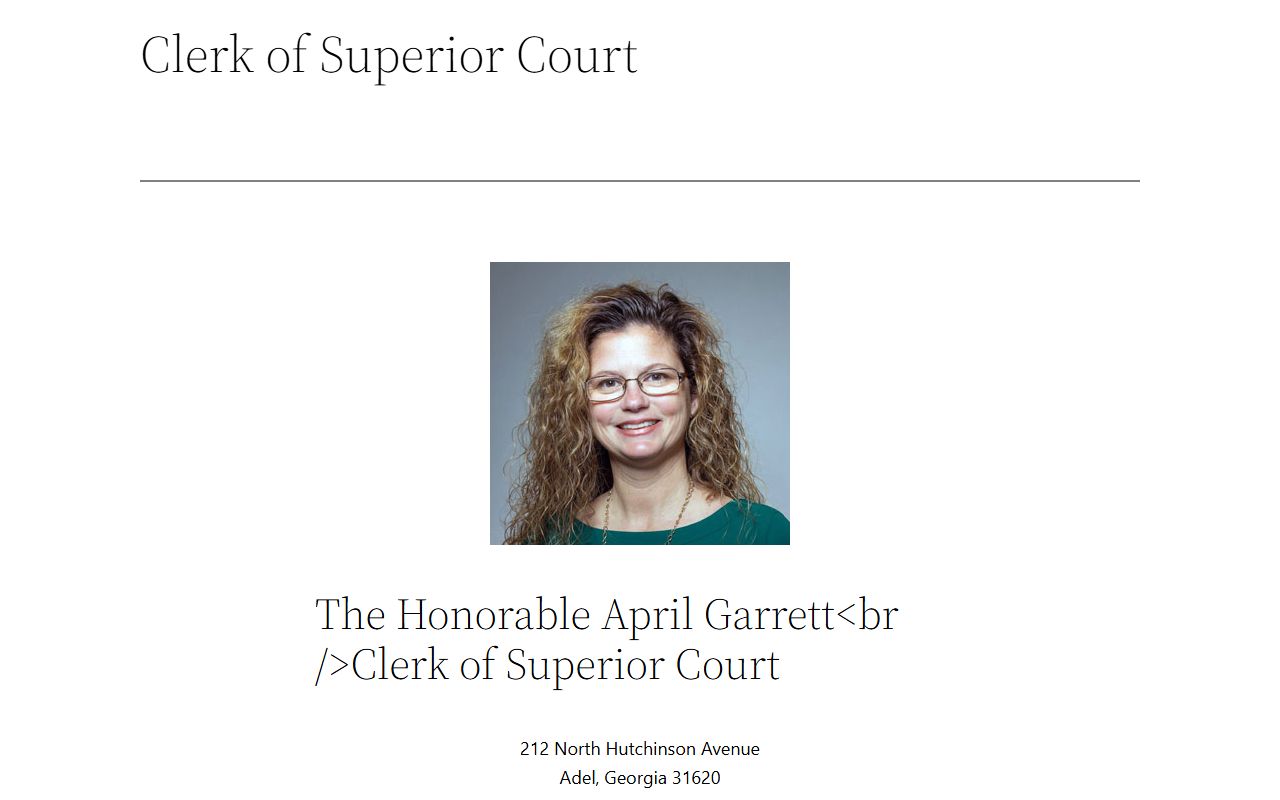
That office is where many formal criminal case records and calendars are routed after the jail-arrest stage, while bond and warrant issues often begin with Magistrate Court.
How Charges Get Filed After an Arrest: Warrant, Accusation, and Indictment
Georgia terminology matters. A Cook County booking charge is the arrest-side description used at intake. A warrant or complaint may explain the probable-cause basis. An accusation is a prosecutor-filed charging document often used for misdemeanors or some felony matters. An indictment is a grand-jury charging document, usually associated with felony prosecution. The court record after an arrest should be read by document type and date because the formal charge may not match the booking label word for word.
| Warrant / Complaint | Accusation | Indictment | |
|---|---|---|---|
| Filed or issued by | Magistrate or court process, often based on officer/probable-cause material | Prosecutor | Grand jury |
| Common role | Arrest, search, bond, or early case basis | Formal charging document for many prosecuted cases | Formal felony charging document |
| Cook County access point | Magistrate Court or Clerk, depending on record type | Clerk of Superior Court and prosecutor | Clerk of Superior Court and prosecutor |
Charge Status in Court Records After an Arrest
Charge status changes as the case moves. A booking entry may show the arrest charge, but the filed court record may later show amended charges, reduced charges, added counts, dismissal, nolle prosequi, plea, trial result, or sentencing. When reading Cook County court records after an arrest, compare the jail date, warrant or citation date, filing date, arraignment notice, and latest docket status before treating a charge as final.
| Status | What It Means |
|---|---|
| Pending | The charge is still open or awaiting further court action. |
| Amended / Reduced | The prosecutor or court changed the charge language, level, or count from an earlier version. |
| Dismissed | The charge is no longer being pursued in that case, subject to the wording of the order. |
| Nolle prosequi | The prosecutor formally chose not to prosecute that charge. |
| Disposition | The current or final outcome, which may include plea, verdict, dismissal, sentence, or other resolution. |
Bond and Release After an Arrest
Cook County-specific bond payment methods, vendor links, accepted payment hours, and release timing were not published in the official sheriff sources reviewed. The local court fact that is confirmed is that Magistrate Court holds bond hearings and sets bond amounts. Start by calling the jail to confirm custody, whether bond has been set, the exact amount, the bond type, and whether any agency hold or detainer blocks release. If bond has not been set, ask whether the case is waiting for Magistrate Court first appearance or bond hearing.
| Bond Type | How It Works |
|---|---|
| Cash Bond | Money is posted with the authorized office if allowed for that case and amount. |
| Surety Bond | A licensed bonding company posts security for a fee when that bond type is permitted. |
| Property Bond | Real property may secure release if approved under court rules. |
| PR / Own Recognizance | The court releases the person on conditions and a promise to appear. |
| No-Bond Hold | Release is not currently authorized until a judge changes the status or the hold resolves. |
| Agency Hold / Detainer | Another county, probation/parole, state, federal, or immigration hold may keep the person in custody despite bond on one case. |
Warrants That Lead to an Arrest
No official active Cook County warrant search or public warrant list was located. Warrant access appears to run through court and sheriff contact rather than a public web search. Magistrate Court is the documented source for search warrants, almost all criminal warrants, bad-check warrants, pre-warrant application hearings, contempt orders, and bench warrants. The Clerk of Superior Court lists warrants and bench warrants among court-record functions, and Probate Court warns that failing to appear on a citation creates FTA status and a bench warrant.
Source: Cook County Magistrate Court.
Use the Magistrate Court contact path for warrant and bond-stage questions, then use the Clerk or prosecutor when the case has moved into formal criminal filing.
Charges vs. Convictions
An arrest, booking charge, filed accusation, and conviction are separate events. A person can be arrested and never convicted. A charge can be filed and later dismissed, amended, reduced, or not prosecuted. A conviction requires a plea, verdict, or other final adjudication of guilt. This distinction matters when using Cook County court records after an arrest for personal research, legal follow-up, or record-restriction questions.
| Charge | Conviction | |
|---|---|---|
| Stage | Accusation or allegation in the criminal process | Final adjudication through plea, verdict, or court judgment |
| Meaning | Not proof of guilt | Legal finding or admission of guilt |
| Record use | Must be checked for current status and restrictions | Still needs source verification and context |
Restricted vs. Expunged Arrest Records
Georgia commonly uses the term record restriction rather than expungement for many criminal-history access issues. The GBI explains that eligible arrest charges can be restricted from public and private criminal-history dissemination after the required arrest-agency and prosecutor review. Older cases, dismissed cases, certain non-prosecution outcomes, and other eligible dispositions may require different steps. The Cook County court record, prosecutor action, and arresting agency record may all matter.
| Restricted | Expunged | |
|---|---|---|
| Georgia usage | Limits public/private criminal-history dissemination for eligible records | Not the usual Georgia label for many arrest-record remedies |
| Who reviews | Often arrest agency and prosecutor, depending on date and disposition | Depends on the specific legal remedy and court order |
| Eligibility | Based on Georgia law, disposition, timing, and required paperwork | Do not assume availability without legal review |
Probate Citations, EZCourtPay, and PeachCourt Limits
Cook Probate Court's citation page is important for traffic and citation matters. It says online payments are unavailable for must-appear offenses, citations may take up to 14 business days from the date issued before they can be paid online, and failure to appear places the person in FTA status with a bench warrant. The official Cook payment path is TGov/EZCourtPay, which uses fields such as date of birth, citation number, and last name. That path is not a full criminal court docket portal.
Georgia Courts lists Cook Superior Court in the e-filing ecosystem through PeachCourt. PeachCourt is account-based and includes registration, login, civil and criminal e-filing, document access, and support. It should be treated as a court document and e-filing channel with possible account or fee requirements, not as a guaranteed free public search for every Cook County criminal case.
Source: Cook citation lookup and payment path.
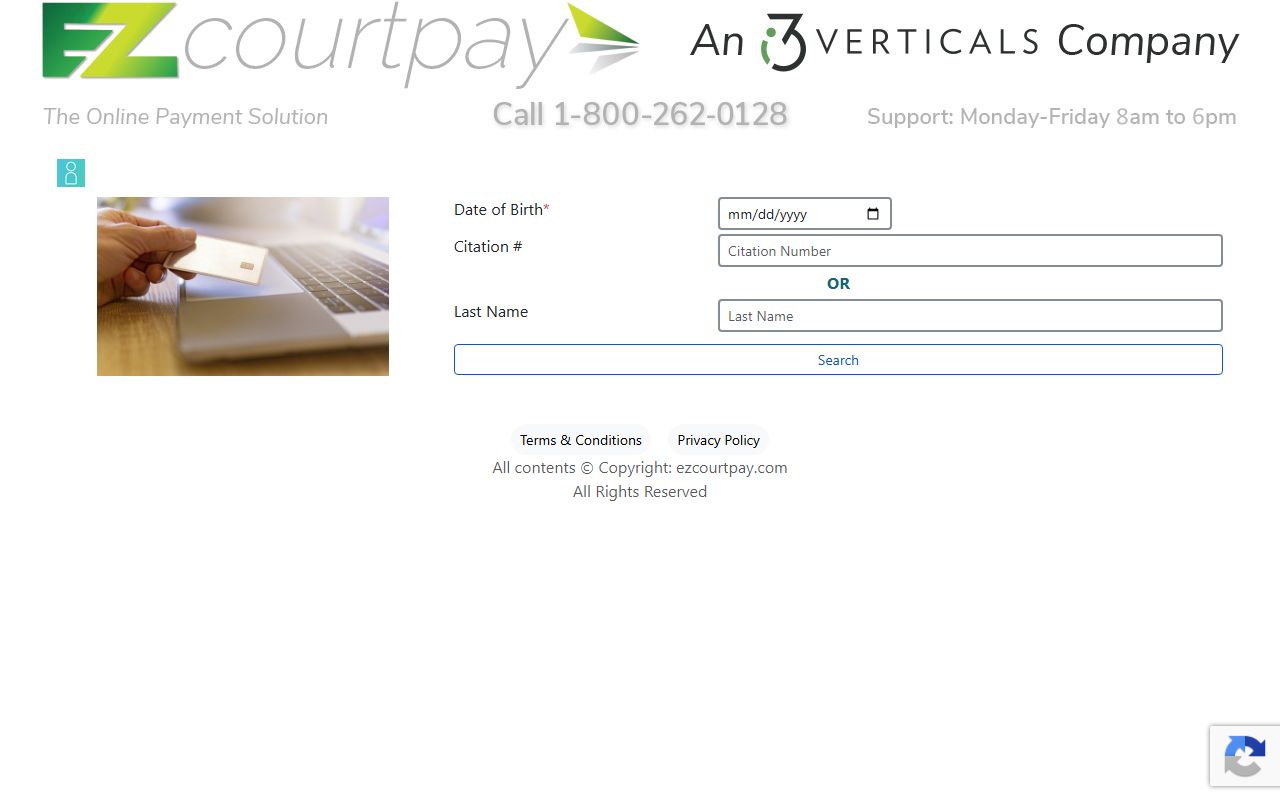
The citation search can help with Probate Court citation matters, but it does not replace the Clerk, Magistrate Court, or District Attorney for post-arrest criminal court records.
Background Check Considerations
Casual court-record lookup is not the same as a regulated background check. Court and jail records may be incomplete, delayed, amended, restricted, or misread without the full docket. Do not use a public lookup result by itself to make employment, tenant, credit, insurance, or other FCRA-covered decisions.
Important: This site is not a consumer reporting agency and cannot be used for FCRA-covered screening decisions.
Restricted Court Records After an Arrest in Cook County
Some Cook County records are not generally available to the public. The Clerk page specifically identifies juvenile, adoption, and military discharge records as records not available to the public. Georgia's Open Records Act also allows exemptions and redactions for certain law-enforcement, prosecution, confidential, juvenile, and protected personal information. If a record is withheld, ask the originating office for the legal basis and whether a redacted copy, docket entry, or certified disposition is available.